

Birth is not a performance test.
On checklists, pivoting plans, and why your body did not fail you.

For most planning an out-of-hospital birth, the birth plan writes itself – low lighting, soft music, freedom of movement, no epidural, use of the birth tub or shower, eating and drinking and born safely at the birth center. That is the plan. Preparation for this plan looks different for every parent. And while I’m painting the picture for those planning out-of-hospital births, this truth applies to every birth space. Many parents are sold this idea that with the right birth prep checklist they can manifest the “right” outcome. The birth world – wellness influencers, natural birth communities, and even well-meaning doulas and midwives — echo the sentiment that if you do everything correctly, birth will reward you.
And that is just not how birth works.
Preparation is absolutely essential. I highly recommend folks read books, listen to podcasts, hire the doula, and take the childbirth classes. We’ve talked about this, I believe education is harm reduction. It builds confidence, reduces anxiety, helps you understand your options and opens communication with your provider. All absolutely essential.
Yet there is a difference between preparing for birth and trying to control birth. One grounds you in the experience. The other sets you up for grief.
Plans pivot. It’s one of the most predictable truths about labor. Not necessarily the whole plan but something about the birth you envisioned will be different. And it’s not because you didn’t do Spinning Babies enough or rub your perineum enough times.
Birth is simply on its timeline and has its own logic. Anyone selling you anything about how to control the force that is birth is scamming you. You can weather it, ride it, even enjoy it. But physiologically, it is a process that is not linear and involves too many moving (literally) parts. Labor requires flexibility and demands reverence. One must respect the flow.
Witnessing the guilt and grief that comes when the plan pivots is so heartbreaking. Parents internalize it as a failure on their part.
“I didn’t try hard enough.”
“My body didn’t work.”
“I’m sorry I needed an epidural.”
If no one else says it – you did not fail. I call bullshit on anyone or anything trying to convince you that your body failed you. The body is smart; it knows when it needs more support.
Utilizing tools like an epidural, pitocin, and even a cesarean is a good use of technology and wisdom. There are clinical and personal situations where birth calls for more time, deeper relaxation that is only accomplished by an epidural or a surgical birth to keep you and baby safe.
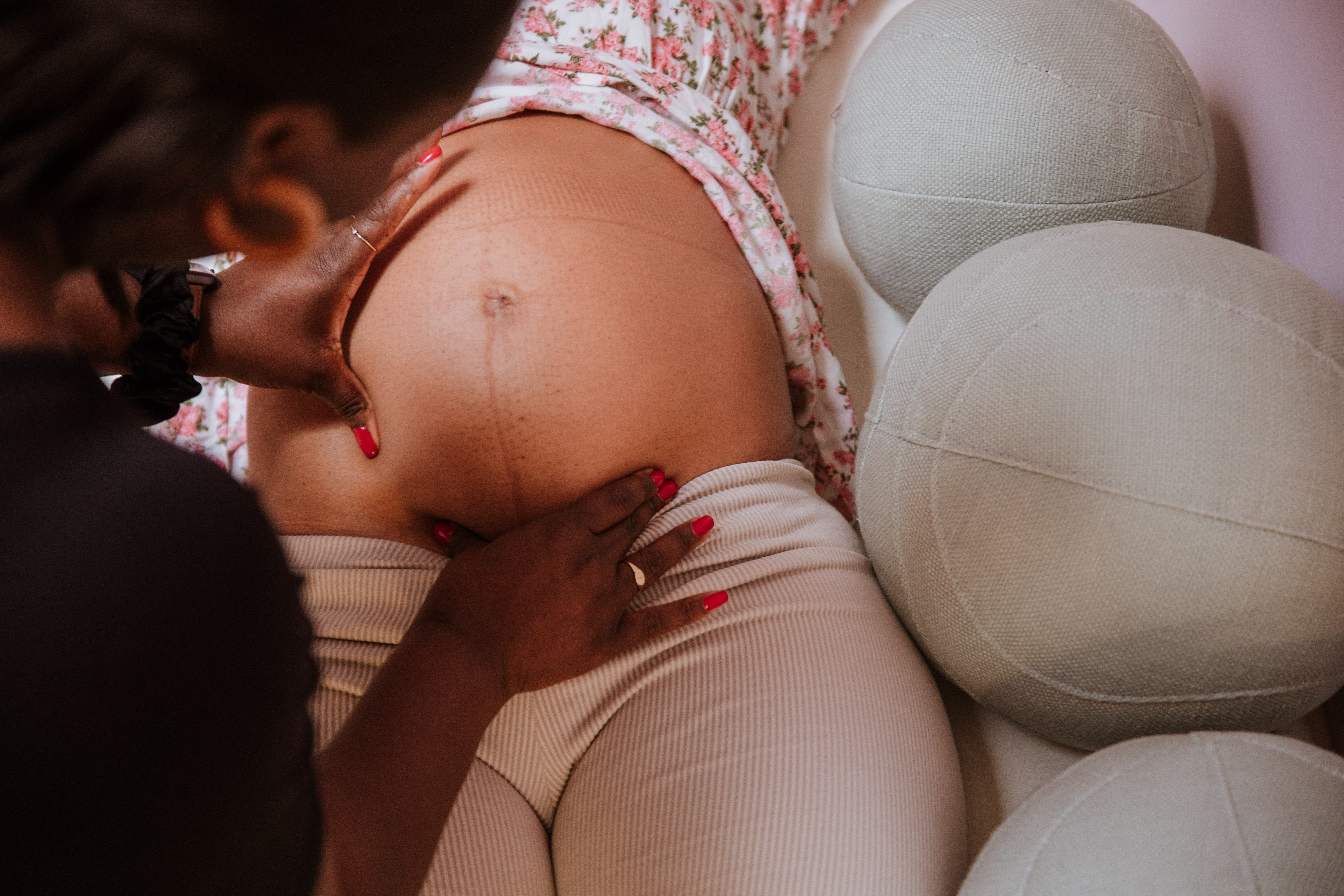
Birth is not a performance test that you can pass or fail. It is transformative and can be empowering. Not because of a specific outcome but because you felt informed, supported and cared for during a vulnerable, tender experience. It is equally as empowering to honor your desire for an epidural as it is to have a water birth. Choice and consent are the empowering pieces.
The only source of failure in regard to birth is when providers and systems fail to honor your options and choices. We have failed you if you do not feel seen in all births – medicated, unmedicated, out-of-hospital, cesarean.
So if you’re in deep planning mode for your upcoming birth or processing a recent experience, take a second to move through your options but really focus on why you want them and what you need if the plan pivots. Ask yourself: what support do you want from your support people and your care team to continue to feel empowered no matter what?
I’m curious, did your birth go according to plan? And how did you make peace with it if it didn’t? Reply and tell me.
Until next Thursday - everybody’s favorite midwife
Reading this was so important to me, Jessica! As someone who had a clear vision of how I hoped my birth experience would unfold, life reminded me that reality doesn't always follow our plans. My birth didn't go the way I had imagined, but looking back, I can now see the beautiful lesson my daughter and my birth story gave me.
It taught me to embrace the flow, accept reality as it is (this has always been a hard lesson for me), and not create extra suffering by holding too tightly to what I thought SHOULD happen. There was so much ease waiting on the other side of surrender! So proud of myself.
Thank you for the work you do and for empowering women through one of the most vulnerable, transformative, and incredibly badass moments of their lives - the birth process. X
Thank you, Jessica, for this piece. It was very important for me to read it about ten days after giving birth. I had a pregnancy that made me feel very good, and I had the expectation of having a natural birth. I cared a lot about it as a very important moment of connection with my body. Unfortunately, it didn’t go the way I would have wanted. In the end, my birth was highly medicalized, and it ended in a C-section. But the thing I felt was most important was that the place I was in and the doctors who were taking care of me were people who informed me and, above all, made me feel safe. And that made my birth experience, even though extremely different from what I expected, a positive one.